404 Error Page
You’ve reached the “Someone’s getting fired page.” We think it’s the bird.
We couldn't find the page you were looking for.
For whatever reason you ended up here, you should probably return to our homepage by clicking our logo at the top of the page or
hitting that spiffy button below.
Though, if you’re bored, you could view some of our blog posts. They’re way more enjoyable than watching a YouTube video of cats freaking out.
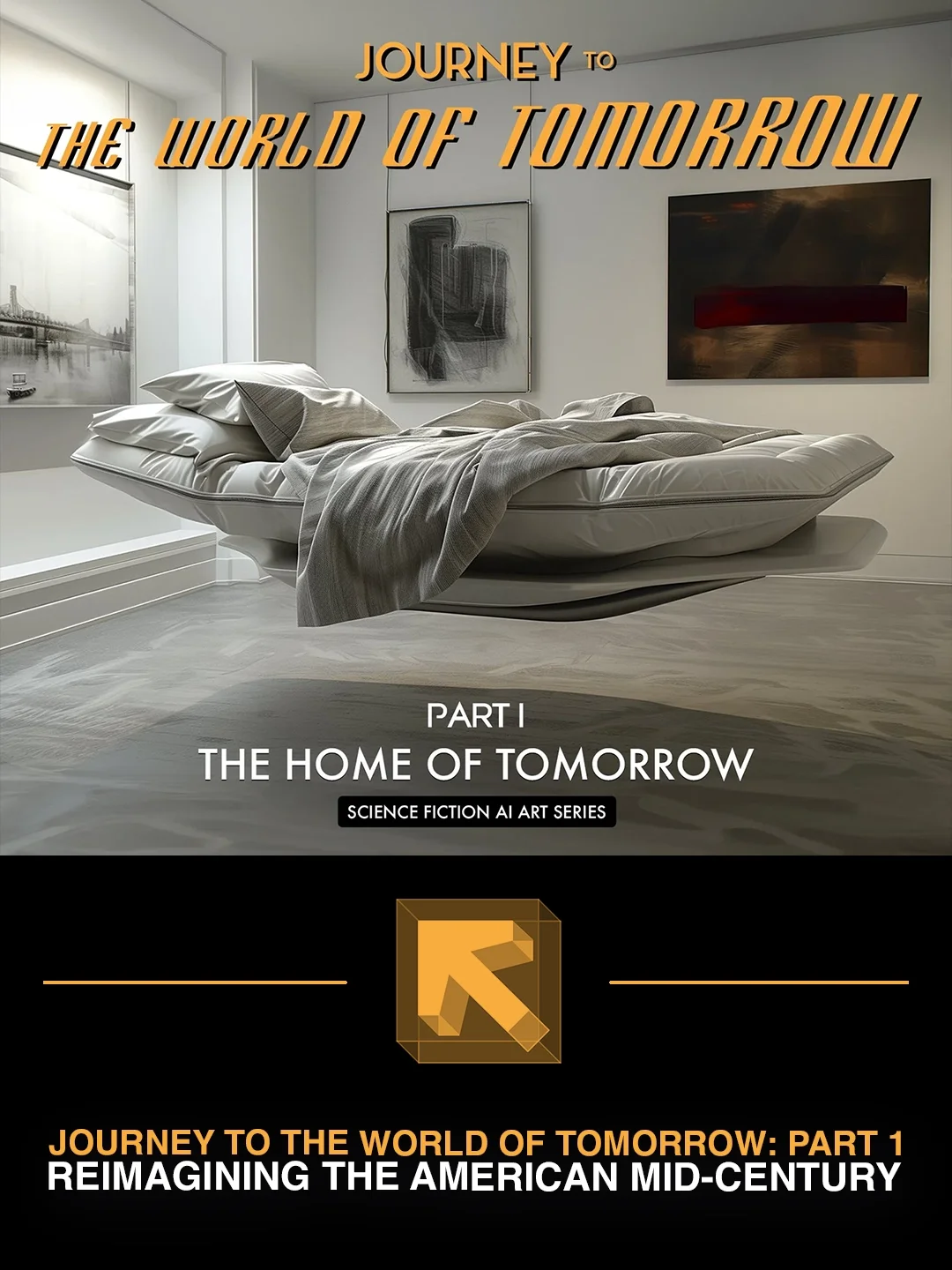
Journey to the World of Tomorrow
Reimagining the Design & Technology of the American Mid-Century
A 3-PART GENERATIVE AI ARTWORK SCIENCE FICTION SERIES
From the imagination of The Skins Factory's Founder, comes an exciting 3-part Generative AI Art Sci-Fi Series called “Journey to the World of Tomorrow”.
It asks and answers the question: What if the science fiction writers, futurists, and artists of the American mid-century actually saw their dreams materialize into reality? It’s an alternate American reality, where technology advanced quicker and farther than our own reality. Created over a 7-month time period, with over 11,000 pieces of art generated using Midjourney with only the best artwork selected for the series. He then spent hundreds of hours post-processing the artwork in Adobe Photoshop where he removed all of the imperfections, rebuilt parts of the images using Adobe’s generative fill tool, corrected both lighting & color and more. This is a huge collection of imagery spanning 3 decades and featuring robots, rockets, hover cars, stunning interior & exterior architecture, life on the moon and more! When you see the word RELEASED below, click on the image to view the series.
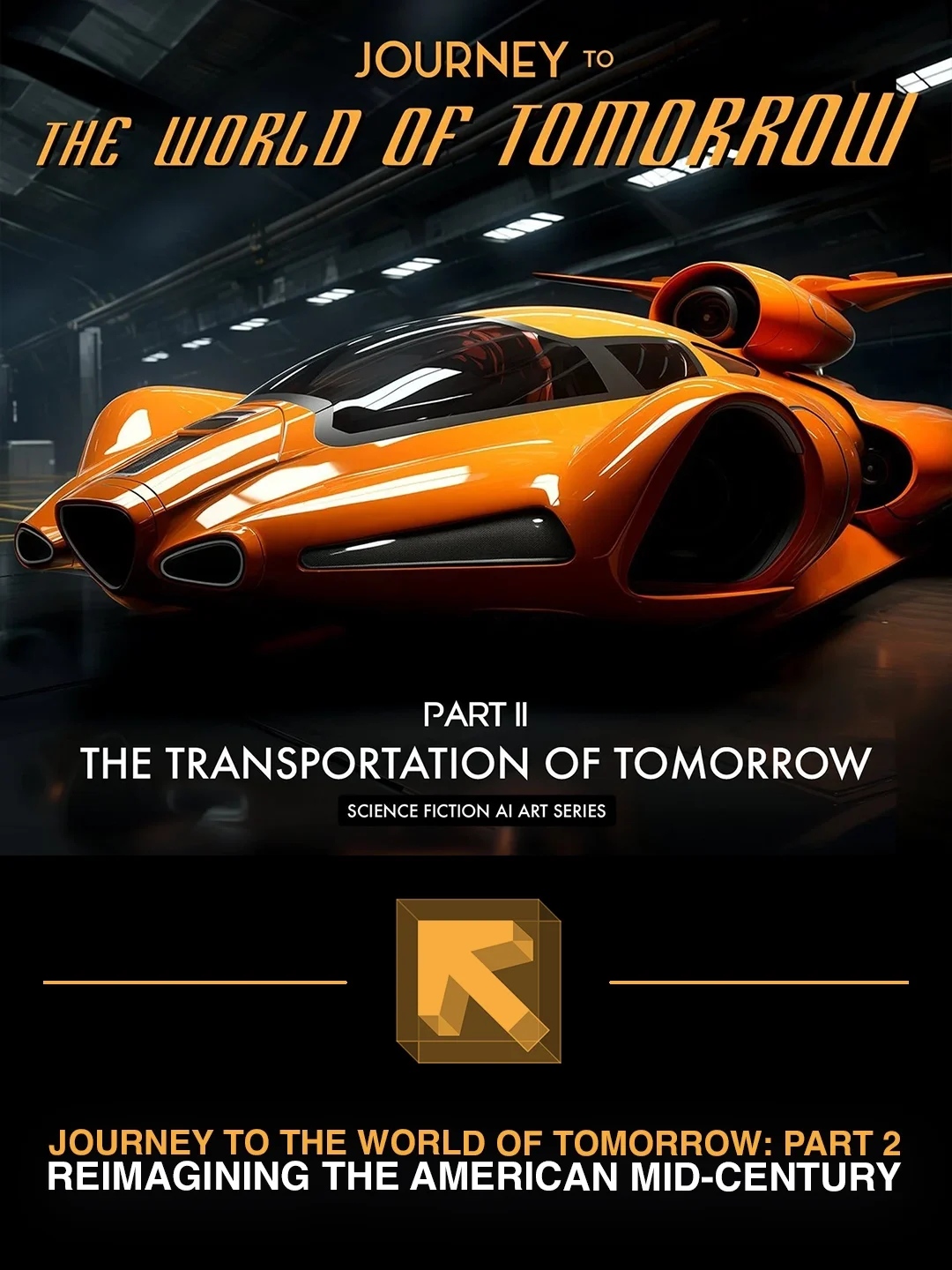
In Part 2 of The Journey to the World of Tomorrow, a 3-Part Generative AI Artwork Science Fiction Series, we explore the retro futuristic transportation of an alternate mid-century America showcasing hover cars, anti-gravity vehicles, personal rocket planes and jet packs.
In Part 1 of The Journey to the World of Tomorrow, a 3-Part Generative AI Artwork Science Fiction Series, we explore the "modern conveniences" and life of an alternate timeline, American atomic family and showcase a range of home service robots, appliances, electronics and the interiors & exteriors of the Home of Tomorrow.
The Skins Factory’s UI/UX Design Blog
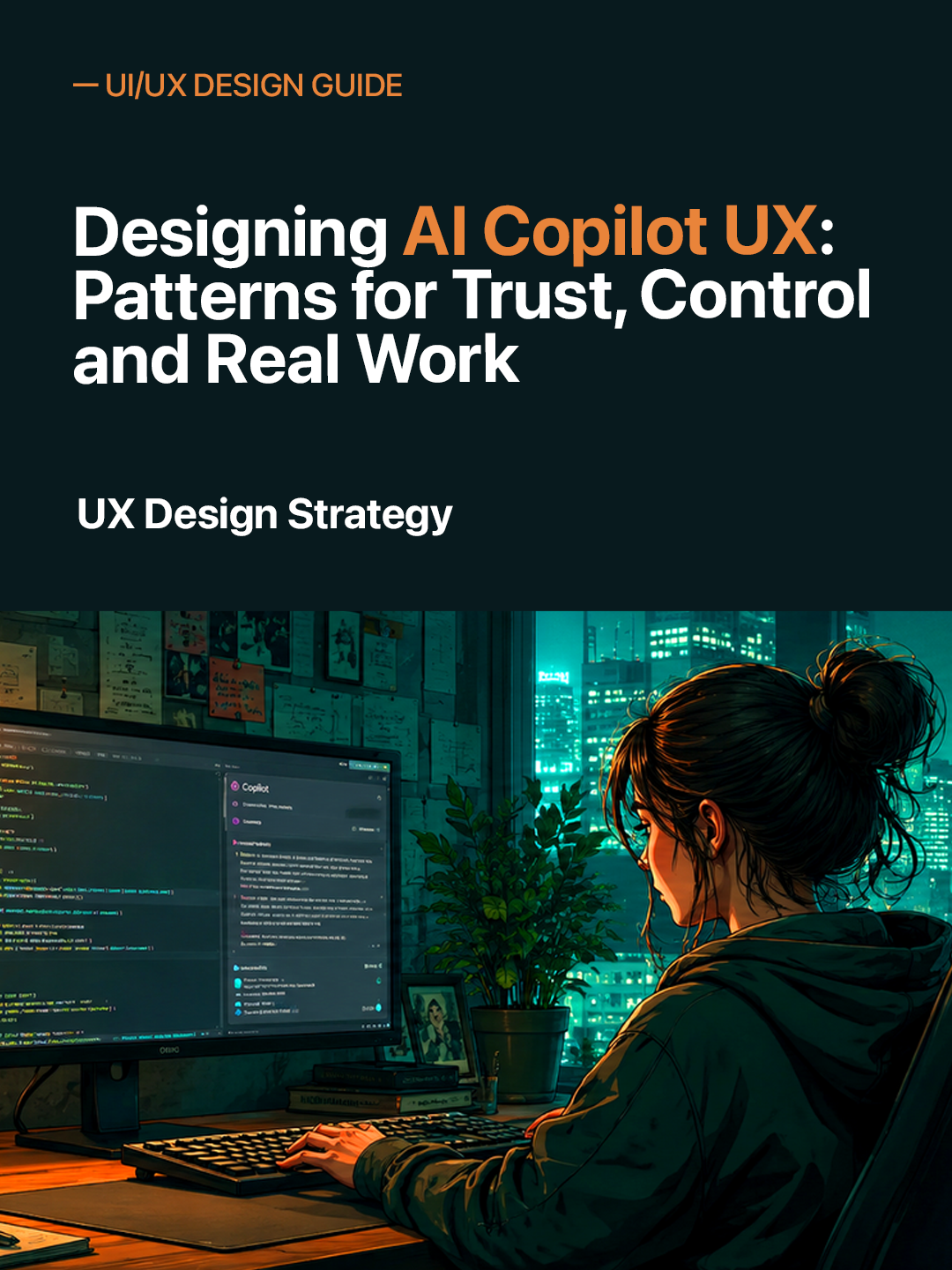
AI agents don't assist. They act. They execute tasks, make decisions, and operate autonomously. Not when prompted. Continuously. But what should the interface look like when the software is the one in control?
Legacy software redesign is not just a visual refresh. It is a strategic modernization effort that protects mission-critical workflows, reduces user friction, and helps enterprise products feel current without sacrificing the depth and power users rely on.
You have already spent three weeks debating whether to hire a senior UX designer or a UI lead or something called a "product designer" - a title that means seventeen different things depending on who's using it. Then someone in the room says: “What if we just brought in a consulting firm?” That question should have been asked first.
What should UI/UX design actually cost in 2026? The Skins Factory breaks down agency pricing, what drives it up or down, and how to know if you're getting real value.
Designing SaaS products that reduce churn, increase adoption, and drive growth. Most SaaS products don't fail because of code. They fail because people don't want to use them.
There is a version of bad design that costs a company a customer. There is another version that can feasibly cost a patient their health. In healthcare, you are always designing for the second scenario.
There is a category of software where the interface itself is part of the threat model. Where a cluttered dashboard is not just a usability problem, it is a risk. Where a missed alert is not a minor annoyance, it is a breach. That category is cybersecurity.
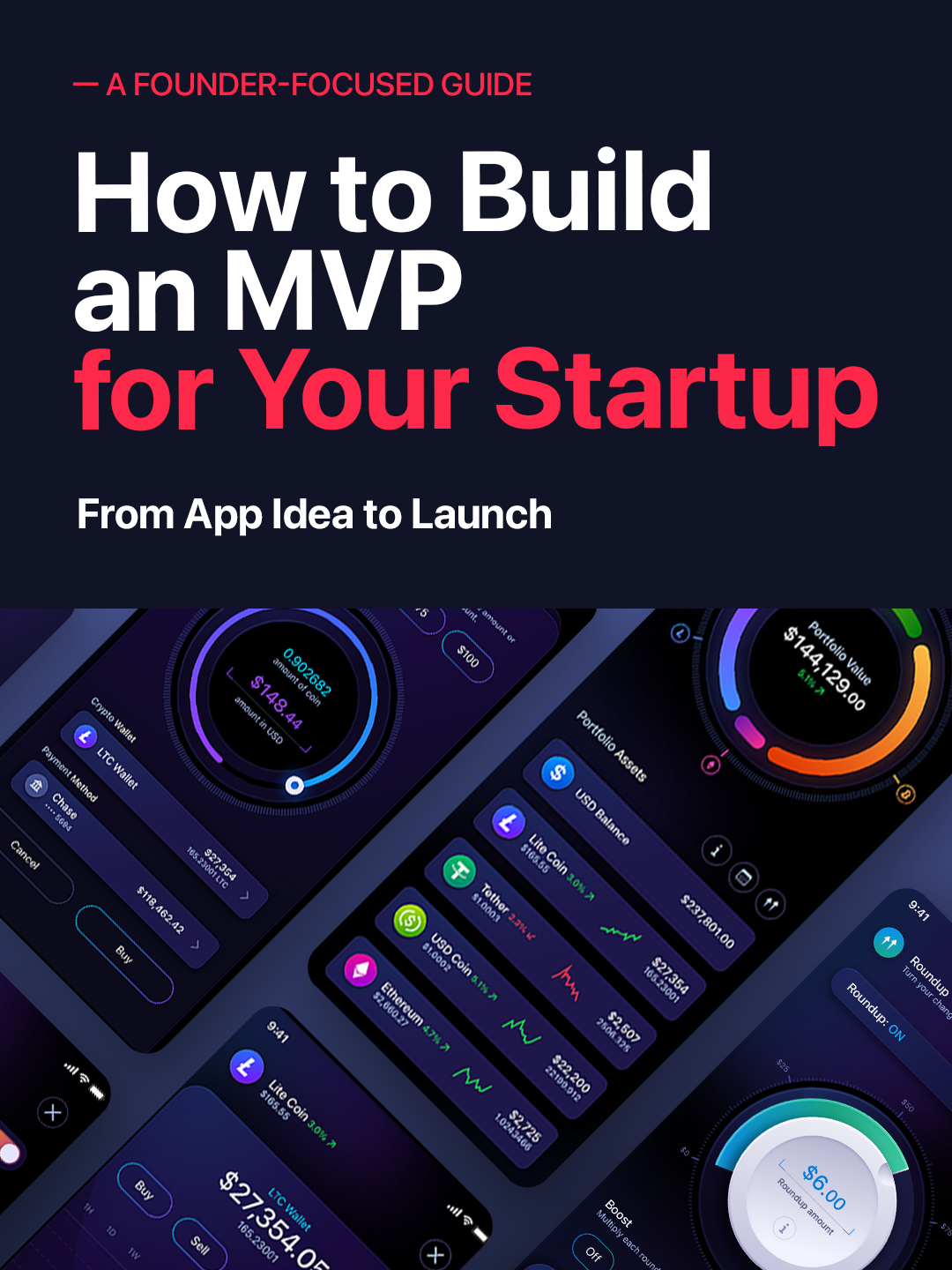
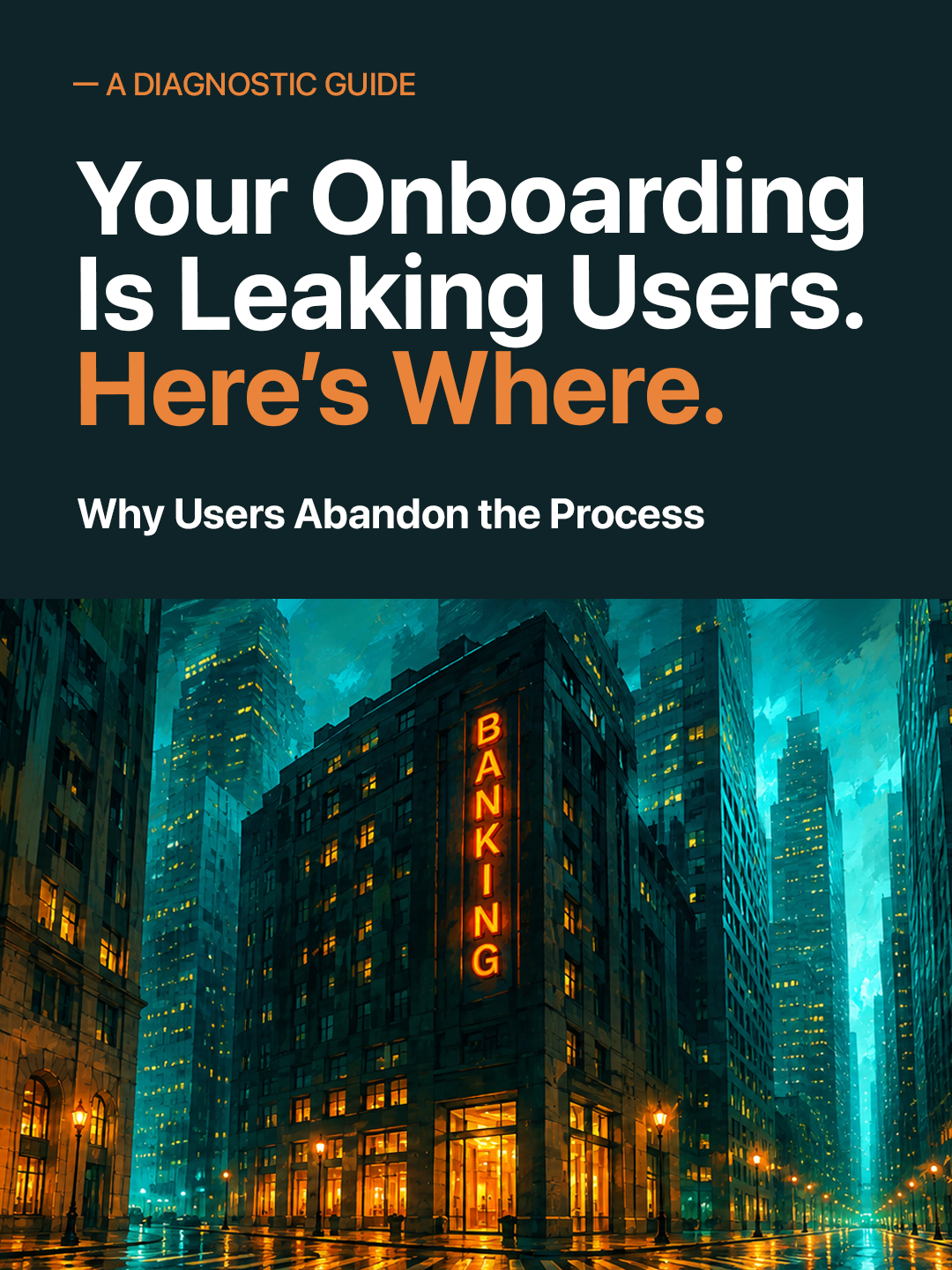
There is no vertical where design stakes are higher than financial technology. You are asking people to hand over their money, their banking credentials, their investment portfolios, and in some cases their entire financial identity. A poorly designed interface does not just frustrate users. It costs them trust. And in fintech, trust is the product.
In Part 3 of The Journey to the World of Tomorrow, a 3-Part Generative AI Artwork Science Fiction Series, we explore an alternate timeline, mid-century American space program and colonization of the Moon including rockets, robots, lunar structures and more.